Classic Summoner's Rift Map Guide
Guide to the classic Summoner's Rift map in League Classic. Old layout, objectives, jungle camps, and tower mechanics from Season 3.
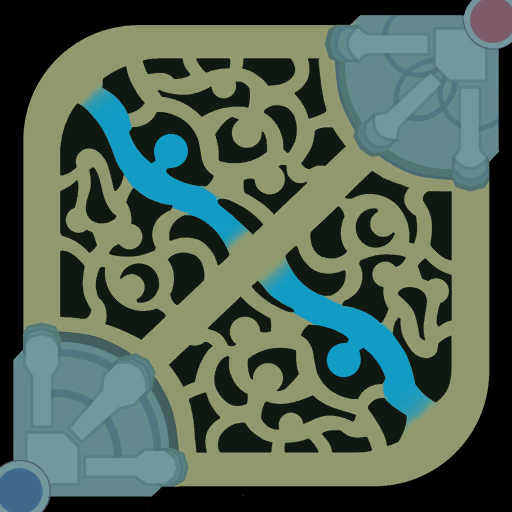
The Old Rift Returns
League Classic restores the early Summoner's Rift map layout that veterans navigated from 2009 through 2013. This is not the modern redesigned Rift with updated geometry, plants, and scuttle crab mechanics—it is the map where tri-brush ganks, dragon stat auras, and Baron Nashor sieges defined competitive League at Worlds Season 3.
Map differences affect every strategic decision: rotation timings, ward placement priorities, jungle pathing, and objective contest windows. Players coming from modern League must relearn map timing fundamentals documented throughout this guide and on Pacing vs Modern.
Lane and Jungle Layout
Three lanes with longer distance between towers compared to modern Rift create extended laning phases where CS leads compound slowly. Jungle camps sit in original positions without modern jungle pet assistance—junglers clear manually with Smite timing on Summoner Spells.
Tri-brush in top and bot lanes enables classic gank paths that modern players rarely encounter. River bush control determines mid lane safety and dragon contest access. Understanding brush fog-of-war limits on Controls is essential for survival.
Objectives and Timers
Dragon grants team-wide stat auras rather than modern stacking dragon souls—each kill provides permanent team bonuses that accumulate across long Classic games. Baron Nashor empowers minions for siege pushes, creating the iconic Baron dancing and base race scenarios from Season 3 esports highlights.
Objective timers run on longer cycles than modern League, meaning single dragon or Baron captures swing game states more dramatically. Junglers track timers manually or with chat commands—no modern objective spawn UI in Classic configuration.
Towers and Inhibitors
Tower damage and gold rewards follow Season 3 values—tower plates do not exist, so each tower destruction provides a single gold lump to the team. Split-push strategies on Top Lane champions like Tryndamere and Nasus exploit tower gold differences more than modern League where plate gold distributes early.
Inhibitor respawn timers create super minion waves that pressure base defenses during extended sieges. Classic games that reach 40+ minutes frequently resolve through inhibitor control rather than teamfight aces alone.
Map Strategy Integration
Combine map knowledge with champion draft from Overall Tier List and item power spikes from Core & Starting. First dragon timing, Baron setup with vision control, and split-push pressure on opposite sides of the map remain the core macro patterns that Classic restores.
For control scheme specifics including camera settings and ping usage, see Controls. For timing comparisons against modern League, see Pacing vs Modern.